
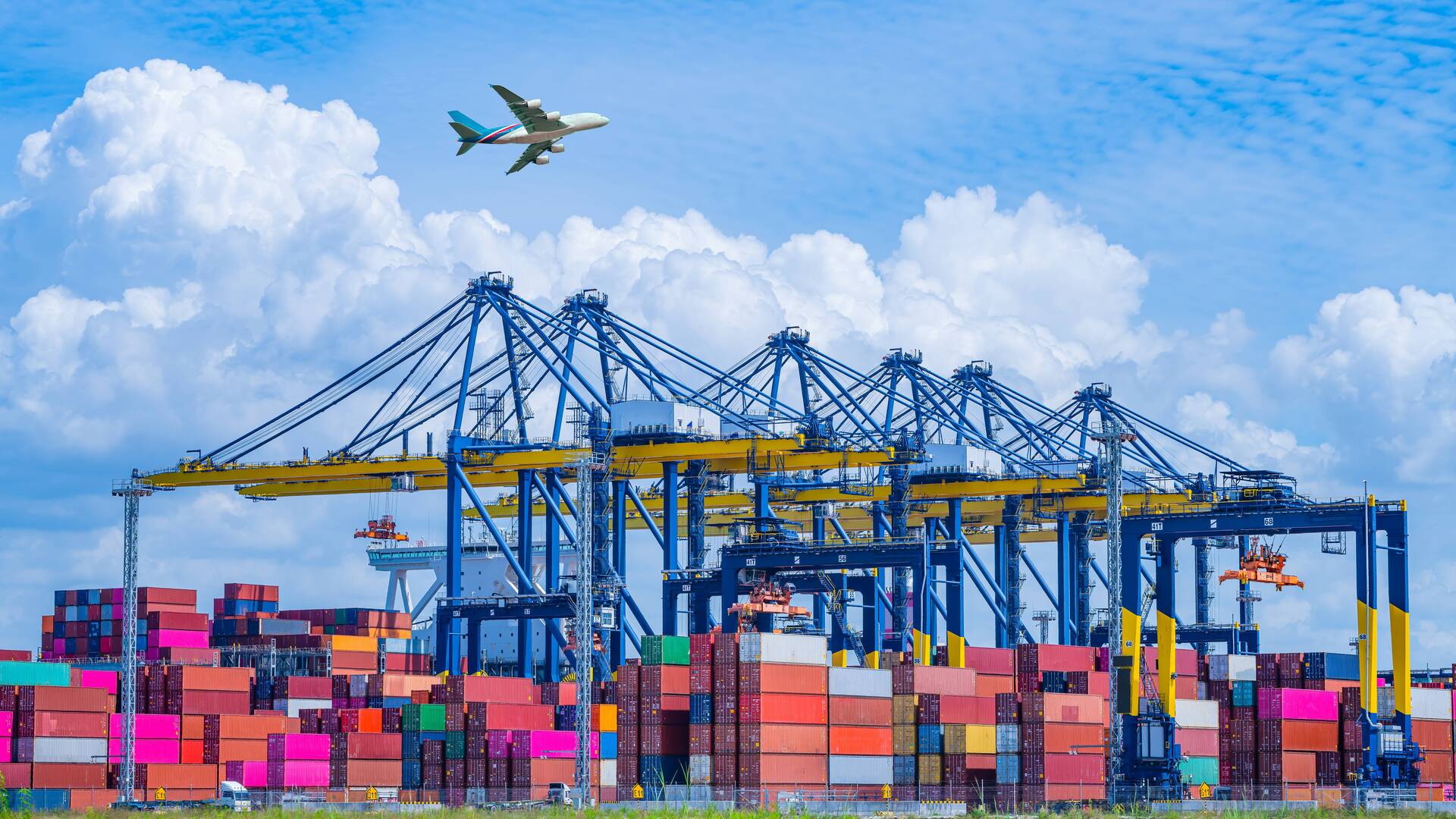
Moving to another country raises a question that does not come up in a local move: how should your belongings get there?
For many international relocations, the choice comes down to air or sea freight. Air freight is generally suited to smaller shipments that need to arrive sooner. Sea freight usually makes more sense when you have a larger amount to move and can wait longer for it to arrive.
Choosing between air vs. sea freight for international moves depends on more than speed. The amount you are shipping, your budget, your moving date, and what you need immediately after arrival should all shape the decision.
Air vs. Sea Freight: What Is the Main Difference?
The main difference between air and sea freight is how your belongings travel and the type of shipment each option suits.
Air freight sends your shipment by aircraft. It is usually the faster choice, which can be useful when you need personal belongings, work items, or other essentials soon after reaching your destination.
Sea freight moves goods by ship. Transit takes longer, but it is commonly used for larger household or business shipments that would be costly or impractical to send by air.
Speed and Delivery Time
If arrival time is your main concern, air freight has the clear advantage. This can matter when you are relocating for work and have a short period between leaving the Philippines and starting your new job.
Sea freight requires more time. The full schedule can also include collection, port handling, customs clearance, and delivery at the destination.
For either option, avoid planning around transit time alone. Ask about the full expected timeline from pickup to final delivery.
When Does Air Freight Make More Sense?
International air freight moving can work well when you have a limited amount of cargo or need certain belongings soon after arrival.
For example, a family relocating overseas may need clothes, work equipment, children’s items, and basic household goods during the first weeks in their new home. Waiting for the full household shipment may not be practical.
What to Send by Air
Think about the items that will affect your first few weeks abroad. Clothes for the season, basic kitchen items, work materials, and other daily-use belongings may be worth sending by air.
That does not mean everything you value should travel this way. Size and weight can have a large effect on air freight charges, so bulky household goods may be better suited to another option.
When Does Sea Freight Make More Sense?
International sea freight moving is often a better fit when you are relocating much of your household or office.
Furniture, boxes of household goods, and other large items can take up a lot of space. Sending them by air may become costly as the shipment grows.
Sea freight gives you more room to move larger loads, but you need to plan around the longer wait. If you arrive weeks before your shipment, you may need temporary furniture or other basics at your destination.
What to Send by Sea
Items that you can live without for a longer period are better candidates for sea freight. This can include furniture, books, kitchenware, décor, extra clothing, and other household goods.
Businesses may also use sea freight when relocating equipment, furniture, files, or other items that are not needed immediately at the new location.
How Shipment Size Affects Your Choice
Shipment size can change the answer to the air vs. sea freight question.
A person moving with only a few boxes may find air freight easier to manage. A family moving the contents of a full home may have a very different calculation.
Before requesting a quote, decide what is actually worth bringing. Moving overseas can be a good time to sort through furniture, clothes, appliances, and other belongings that you no longer use.
Items you want to keep but do not need overseas right away can also remain in storage. Safehouse Storage provides storage options that can help when you are not ready to move everything at once.
What Costs Should You Consider Beyond Freight?
Do not compare the two options using the transport charge alone.
International moves can involve packing, pickup, handling, customs-related charges, insurance, and delivery at the destination. The exact costs depend on the shipment and route.
Ask what is included in each quote so you are comparing similar services. A lower initial freight price does not tell you the total cost of getting your belongings from your current property to the new one.
Proper packing should also be part of the plan. International shipments go through more handling than a typical local move, so boxes and larger items need to be prepared for the full journey.
How Far Ahead Should You Plan an International Move?
Start early. International moves involve more steps than moving between two local properties, and some of those steps depend on other companies or government requirements.
Make an inventory of what you plan to bring, then separate items based on when you will need them. This helps you see whether air freight, sea freight, or a mix of both makes sense.
It’s important to review the customs and import regulations for your destination country before you move. Some belongings may be prohibited, require specific paperwork, or incur additional fees. Since these rules differ from country to country, make sure to verify all requirements ahead of time.
Safehouse’s moving services can help with the local part of your relocation, including preparing and moving belongings before the international shipment.
Can You Use Both Air and Sea Freight?
You do not always have to choose only one.
Some international moves work better when belongings are divided into two shipments. Essentials can travel by air while the larger household shipment follows by sea.
This approach can reduce the amount you need to buy or borrow while waiting for the main shipment. It also means you do not have to pay air freight costs for every item you own.
The split should be decided before packing begins. Otherwise, an item you need quickly may end up buried inside the sea shipment.
How to Choose Between Air and Sea Freight
For air vs. sea freight for international moves, start with four practical questions. How soon do you need your belongings? How much are you shipping? What can you afford to spend? Which items can you live without while waiting?
Air freight generally suits smaller, time-sensitive shipments. Sea freight is usually more practical for larger moves when you have enough time to wait. Using both can also work when your needs fall somewhere between the two.
Safehouse Storage and Moving Services can help you prepare for an international relocation through packing, moving, and storage support in the Philippines. If you are deciding what to ship, what to store, and how to prepare your belongings before departure, contact Safehouse to discuss the local moving support your relocation needs.